
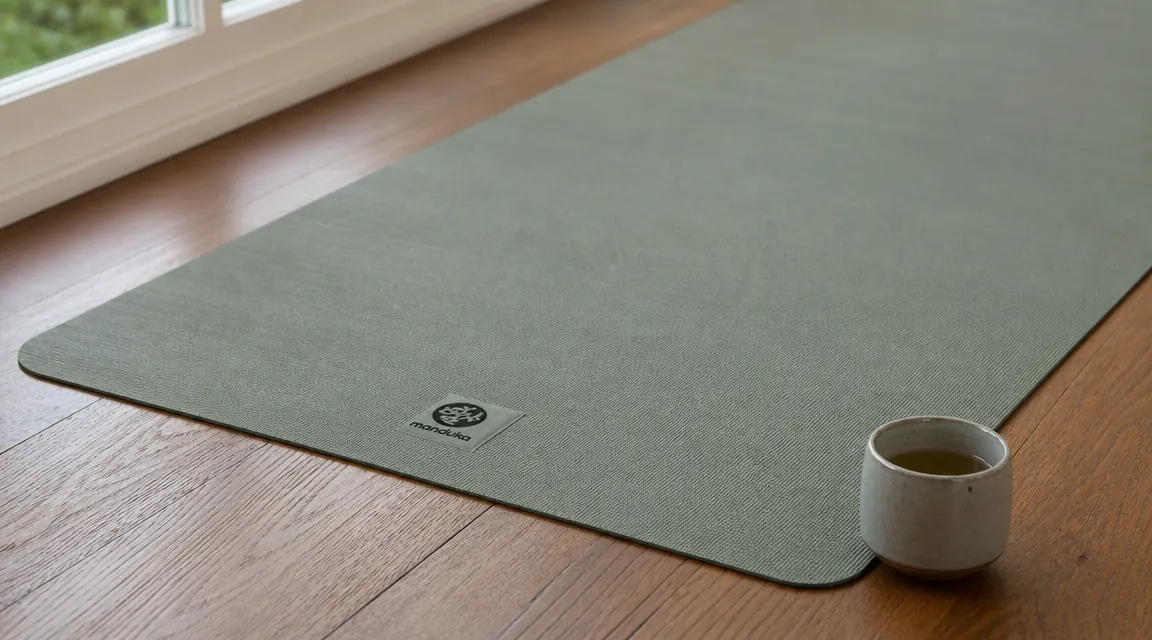
Fourteen months ago I rolled out the Manduka PRO for the first time on my studio apartment floor in Portland, a 6mm slate-colored mat that weighed more than I expected and felt, to be honest, a little unforgiving under my bare feet. I had practiced on three different mats before this one: a $30 foam mat from a big-box store, a mid-range cork mat from a small brand that cracked at the edges after six months, and a borrowed studio mat that smelled perpetually of other people's effort. I bought the Manduka PRO because my teacher recommended it without hesitation when I asked what she had used for fifteen years. That is the kind of endorsement I listen to.
I practice a mix of vinyasa and yin, six days a week, sometimes hot yoga when the studio near my office is open. Over the past fourteen months the PRO has been through roughly 420 sessions across multiple surfaces, temperatures, and levels of sweat. What I can tell you now, in a way I could not have told you at month one, is what this mat actually does over time and what it still does not do perfectly.
The Quick Verdict
The Manduka PRO delivers on its core promise: a dense, durable mat that stabilizes your practice without wearing out. The break-in period is real and the weight is a genuine tradeoff. For daily practitioners who stay in one spot, there is nothing better at this price point.
Amazon Check Today's Price →Still buying cheap mats every year? Here is the one you stop replacing.
The Manduka PRO comes with a lifetime guarantee and has held up through 14 months of daily practice without peeling, cracking, or losing grip integrity. If you practice more than three times a week, the math on a durable mat starts to work in your favor quickly.
Amazon Check Today's Price on Amazon →How I Have Used This Mat
My practice runs roughly sixty to ninety minutes in the morning, six days a week. I am 5'7" and practice in a dedicated corner of my living room about four days a week, at a heated studio about once a week, and occasionally outdoors on a wood deck in summer. The PRO does not travel well, which is worth naming upfront. At 7.5 pounds it is not a mat you tuck under your arm on a city bus. I have a lighter backup mat for travel. The PRO stays home.
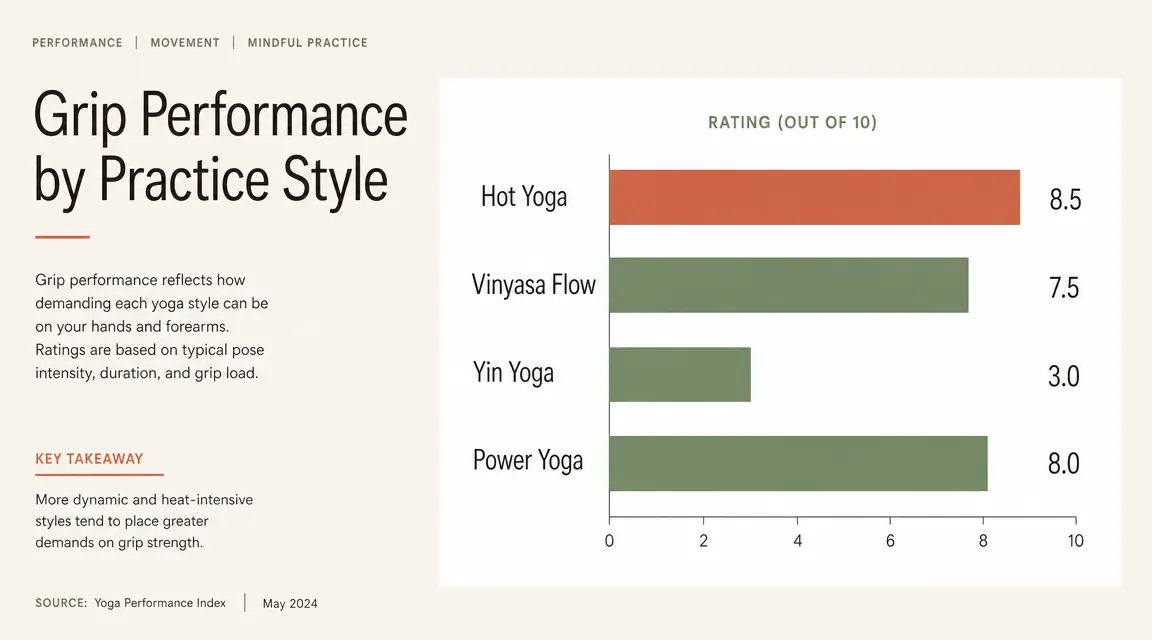
My practice style over this period has been primarily vinyasa flow, with two to three yin sessions a week and occasional hot classes in a room held at 95 degrees. That range covers a meaningful spectrum of grip demands, from the gentle static positions of a yin session where grip matters very little, to a heated power class where your palms are wet from minute ten and grip is everything. The PRO handles that full range, though not equally in all conditions. More on that shortly.
I cleaned the mat with a diluted tea tree spray after every heated class and wiped it down with a damp cloth after regular sessions. I rolled it with the top layer out, as Manduka recommends, and stored it in a standing tube. I did not leave it in direct sunlight. The care routine is not demanding, but it is real, and it matters for long-term performance.
The Break-In Period: What Nobody Warned Me About
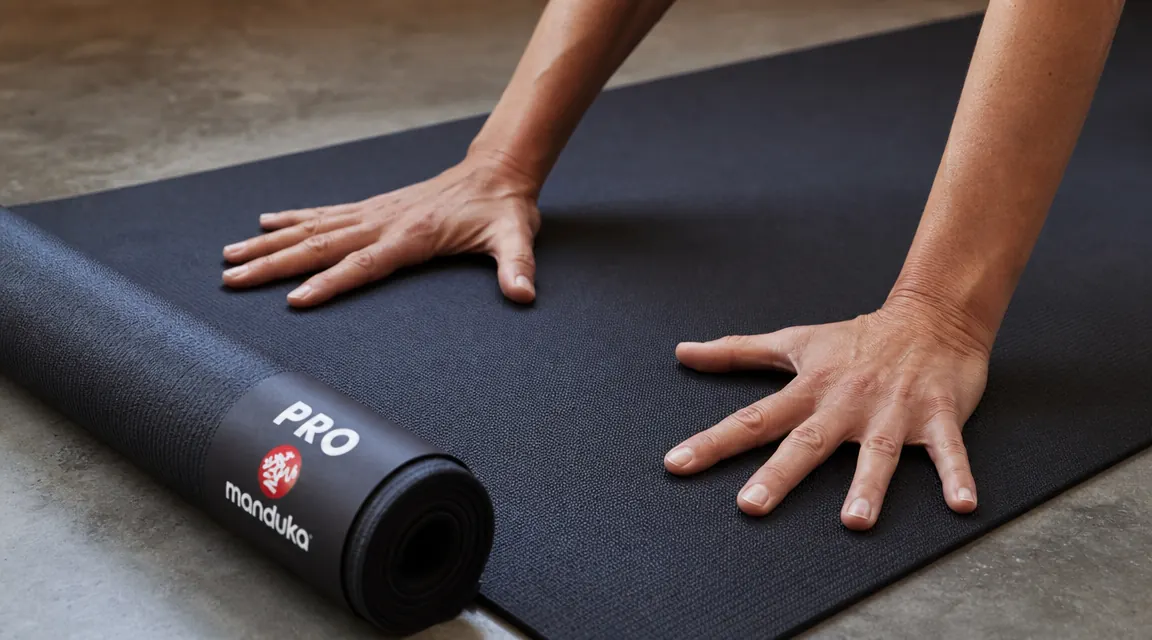
The first two months were not what I expected. The PRO has a closed-cell surface that, when new, feels almost waxy and resists grip more than you would anticipate for a premium mat. My hands slipped in downward dog. My feet shifted in warrior sequences. I nearly returned it at week three. What kept me was a thread on a yoga forum where a teacher described the same experience and said to wait until the surface texture opened up, which she said takes about sixty sessions for most practitioners.
She was right. Around session fifty to sixty, something shifted. The surface developed a subtle texture from use that held my hands in a way the new mat had not. By month three the grip was better than any mat I had owned. By month five it was excellent. This is a meaningful thing to say plainly: if you buy this mat and find it slippery at first, you have not made a mistake. You are in the break-in window. The closed-cell construction that makes this mat hygienic and long-lasting is the same construction that takes time to find its grip. The payoff is real, but the patience required in the first two months is real too.
Around session fifty, something shifted. The grip became better than any mat I had owned before. The closed-cell surface that frustrated me at first had found its texture through use.
What the Construction Actually Delivers Over Time
The PRO is made from PVC, which is not a material that earns ecological applause, but it is the reason this mat does not degrade the way natural rubber or cork does. After fourteen months of daily use mine has no peeling, no surface breakdown, no soft spots in the foam. The edges are intact. The corners have not curled. This matters more than I initially appreciated, because a mat that degrades unevenly starts to affect your alignment in subtle ways you do not notice until a teacher points out that your foot is compensating for a soft patch near the heel.
The 6mm thickness sits at the right point between stability and cushion. I have practiced on 4mm travel mats that leave my knees aching after a floor sequence and on thick 8mm mats that feel unstable in standing balances. Six millimeters is where I want to be for my body weight at 138 pounds, and the density of the PRO's foam means the cushion does not compress out over time. The mat feels the same today as it did at month four. That consistency is worth something.
The closed-cell top surface also means the mat does not absorb sweat the way open-cell rubber mats do. This sounds like a minor detail and it is not. An absorptive mat holds odor in a way that becomes unpleasant after a few months of heated practice, regardless of how often you clean it. The PRO's surface releases sweat rather than absorbing it, which is why the hygiene stays manageable with a simple spray-and-wipe routine.
Grip Performance Across Different Practice Styles
After the break-in window, grip on the PRO in a standard room-temperature vinyasa class is exceptional. My hands stay planted through long chaturanga sequences. My feet do not creep in warrior two. In yin, where I hold positions for three to five minutes, there is no mat migration at all. The mat grips the floor well too, which matters if you practice on hardwood. I have never had the PRO skid under me.
Hot yoga is where the limitation shows. In a class held at 95 degrees with high humidity, the closed-cell surface becomes genuinely slippery when saturated with sweat. This is a documented characteristic of PVC yoga mats and the PRO is not an exception. I use a microfiber yoga towel over the mat in heated classes, which solves the problem but adds a step and an extra piece of gear. If the majority of your practice is hot yoga, a mat with an open-cell rubber surface designed to grip when wet may serve you better than the PRO. That is an honest assessment and not a disqualifying flaw if you understand it going in.
The Weight Tradeoff
Seven and a half pounds. I want to name this clearly because it is the most commonly cited regret from PRO owners who buy it without thinking through their practice setup. If you practice exclusively at home, the weight is irrelevant. If you practice at one studio and drive to it, the weight is a mild inconvenience you adapt to quickly. If you practice at multiple locations and commute on foot or via public transit, carrying the PRO becomes a real daily tax.
I carry mine roughly one block from a parking spot to my studio once a week. That is a manageable ask. But I would not carry this mat on a ten-minute walk through a city, and I certainly would not pack it in luggage. There are lighter PRO alternatives in the Manduka lineup, including the eKO Lite, that might make more sense for practitioners who are on the move often. If your primary setup is at-home practice, this tradeoff disappears completely and the weight becomes a non-issue.
How It Compares to What Came Before
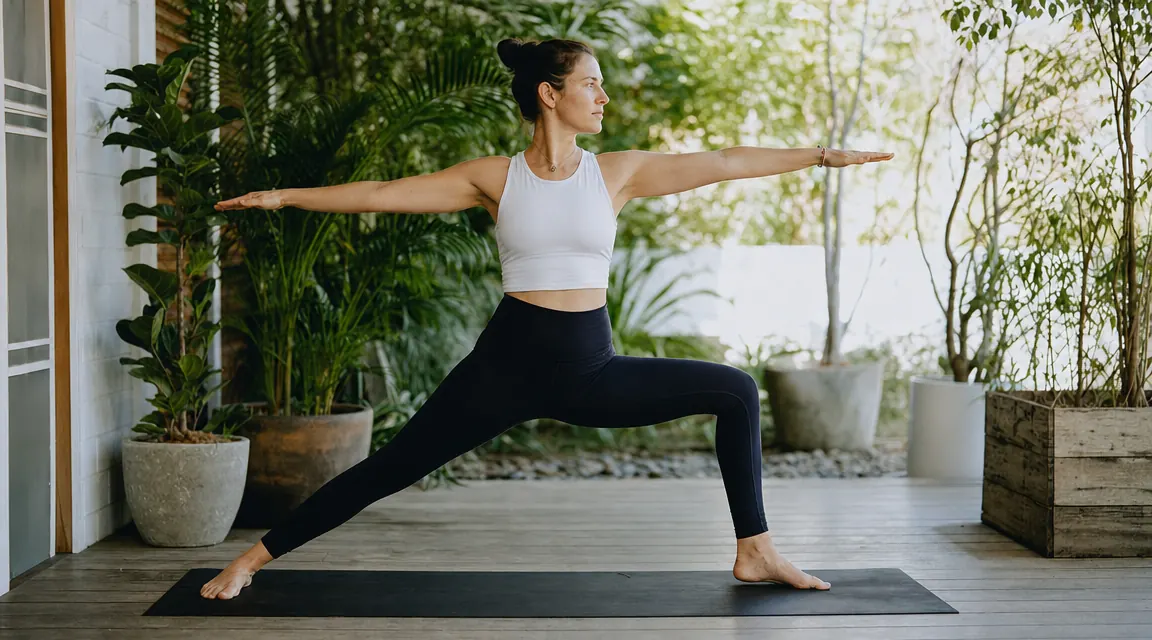
My previous mat was a cork-top natural rubber mat from a boutique brand that retailed for around $80. I liked it for the first four months. The natural materials felt more aligned with my values, and the cork surface had immediate grip right out of the box. By month five, the cork started pilling at the edges where I repeated the same foot positions daily. By month seven, a soft spot had developed near the center where my knees landed most often. I replaced it just before its first birthday.
The PRO, by contrast, shows no wear at fourteen months. If I project the PRO's condition forward at the same rate it has aged so far, I expect to practice on this mat for another six or seven years without meaningful degradation. That changes the economics considerably. If you want a detailed side-by-side on the Manduka PRO against its closest premium competitor, I have written a full breakdown in my Manduka PRO vs Liforme comparison.
What I Liked
- Exceptional grip after the break-in window clears, roughly 50-60 sessions in
- No surface degradation, peeling, or foam compression after 14 months of daily use
- Closed-cell surface is hygienic and resists odor buildup even through heated practice
- Lifetime guarantee from Manduka is genuine and well-supported
- 6mm thickness provides cushion and stability without sacrificing proprioception in balance poses
- Excellent floor grip, no mat migration on hardwood or carpet
Where It Falls Short
- Break-in period is real and can last two months, slippery surface may frustrate new owners
- 7.5 lbs is heavy enough to matter if you carry it any distance regularly
- Closed-cell PVC surface becomes slippery in high-sweat hot yoga without a towel
- PVC construction is not a sustainable material choice
- Not a travel mat by any reasonable definition
Who This Mat Is For
The Manduka PRO is the right mat for practitioners who are past the beginner phase and ready to stop cycling through gear. If you practice four or more times a week, you have a consistent home or studio location, and you want a mat that performs identically in month one and month forty, this is the one. Teachers reach for it because it does not ask them to think about their mat. It disappears into the background of the practice, which is exactly what equipment should do. The Manduka PRO has earned its place in that category after fourteen months of daily use. If you are thinking about what separates a serious mat from a casual one, I cover that reasoning in depth in my article on why a premium yoga mat changes your practice.
Who Should Skip It
If you practice primarily in heated rooms and do not want to add a towel to your routine, look at mats specifically designed for hot yoga with open-cell rubber surfaces that grip when wet. If you commute to multiple studios on foot or by transit and need a mat that stays under four pounds, the PRO will exhaust you before your practice does. If you are a beginner still figuring out whether yoga will become a consistent habit, start with something in the $50-80 range and buy the PRO when you are sure the practice is going to stick. The lifetime guarantee does not help you if you leave yoga at month four.
Fourteen months in, no regrets. Here is where to check current availability.
The Manduka PRO holds up through years of daily practice. It comes with a lifetime guarantee and earns its keep for any practitioner who is past the casual-class phase. The break-in period is real. The weight is real. Everything else it promises, it delivers.
Amazon Check Today's Price on Amazon →